Blueprint for Creativity
Make Your ThingCambridge, MA

The thing you keep almost-starting? It's buildable. By you.

OPTION A

The thing you keep almost-starting? It's buildable. By you.

The consulting practice, the shop, the book, the app, the thing that's lived in your notes for three years. The tools finally caught up to people like you — and the hard part was never the code anyway. I teach you to build it, and you keep the capability.

Next step Tell me what you can't stop thinking about
The turn

You have the idea. It's been living in a notes app, a folder of screenshots, a conversation you keep having. Maybe it's a business — the consulting practice, the shop, the service everyone says you should charge for. Maybe it's the book, the newsletter, the thing you'd make if making things were something people like you did.

And you've watched what's happening — people building software, publishing, launching, automating whole operations with AI — and a voice says that's not for me. I'm not technical.

The voice is wrong. It was never going to be the code that stopped you. The code is now the easy part — embarrassingly easy. What's hard is what was always hard: knowing what to build, why it matters, whether what came back is any good, and what to do next. That's judgment. It's the one thing the machine can't supply — and it's teachable.

What this actually is

There isn't a good name for this yet, so let me just tell you.

I'm a designer and an educator. For twenty-five years I've run the same process — with fourteen-year-olds, with teachers, with corporate teams — that takes what someone cares about and turns it into a real thing in the world: research, idea, build, critique, revise. It's how architects work. It's how I taught hundreds of studios.

What's new is the build medium. AI tools now do the work that used to require a developer, a designer, a production team. Which means the process I've taught for decades finally has no gap between idea and built — for anyone willing to bring their judgment and do the work.

So we meet, weekly, one-on-one. You bring the thing you can't stop thinking about. I bring the method and the tools. We build it together — and I teach you the whole way, so that when it's done, the capability stays with you. Not a deliverable you can't maintain. Not a course you watch. Your thing, built, and you knowing how you built it.

And something else comes with it: by the end, you're fluent in the AI tools themselves — not course-fluent, built-something-fluent. You learn them the way you learn a language by moving to the country. That fluency doesn't stay in the project. It follows you into your work, your writing, the rest of your life.

What people build

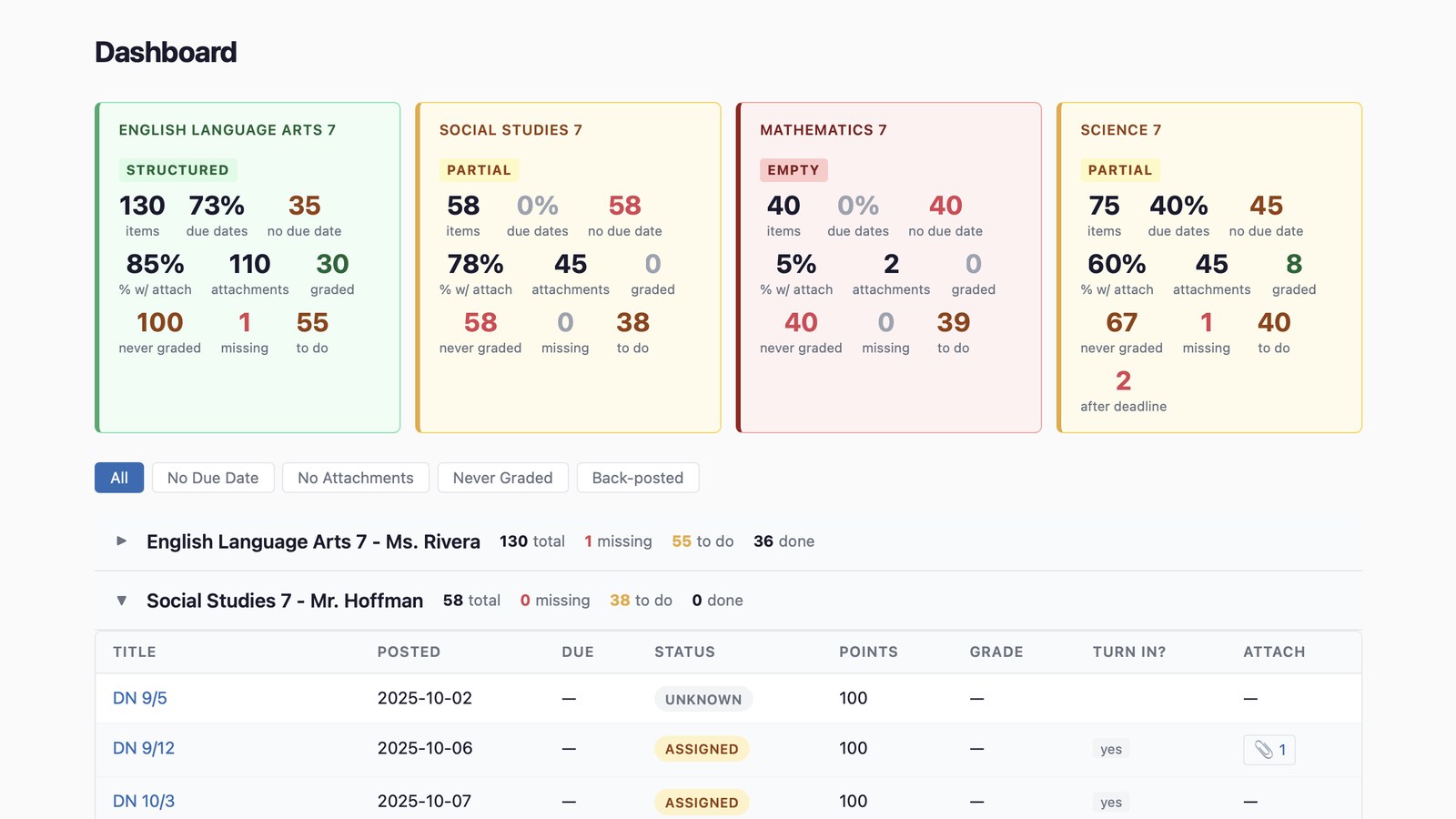
  1. 01The consulting practice that runs on a real system instead of twelve spreadsheets — intake, scheduling, invoicing, the website that actually sounds like you.
  2. 02The shop: real products, a real storefront, photography and copy and fulfillment you understand end to end.
  3. 03The book, finally — or the newsletter with an actual voice, published on a rhythm you can keep.
  4. 04The service business's back office, automated down from ten hours a week to one.
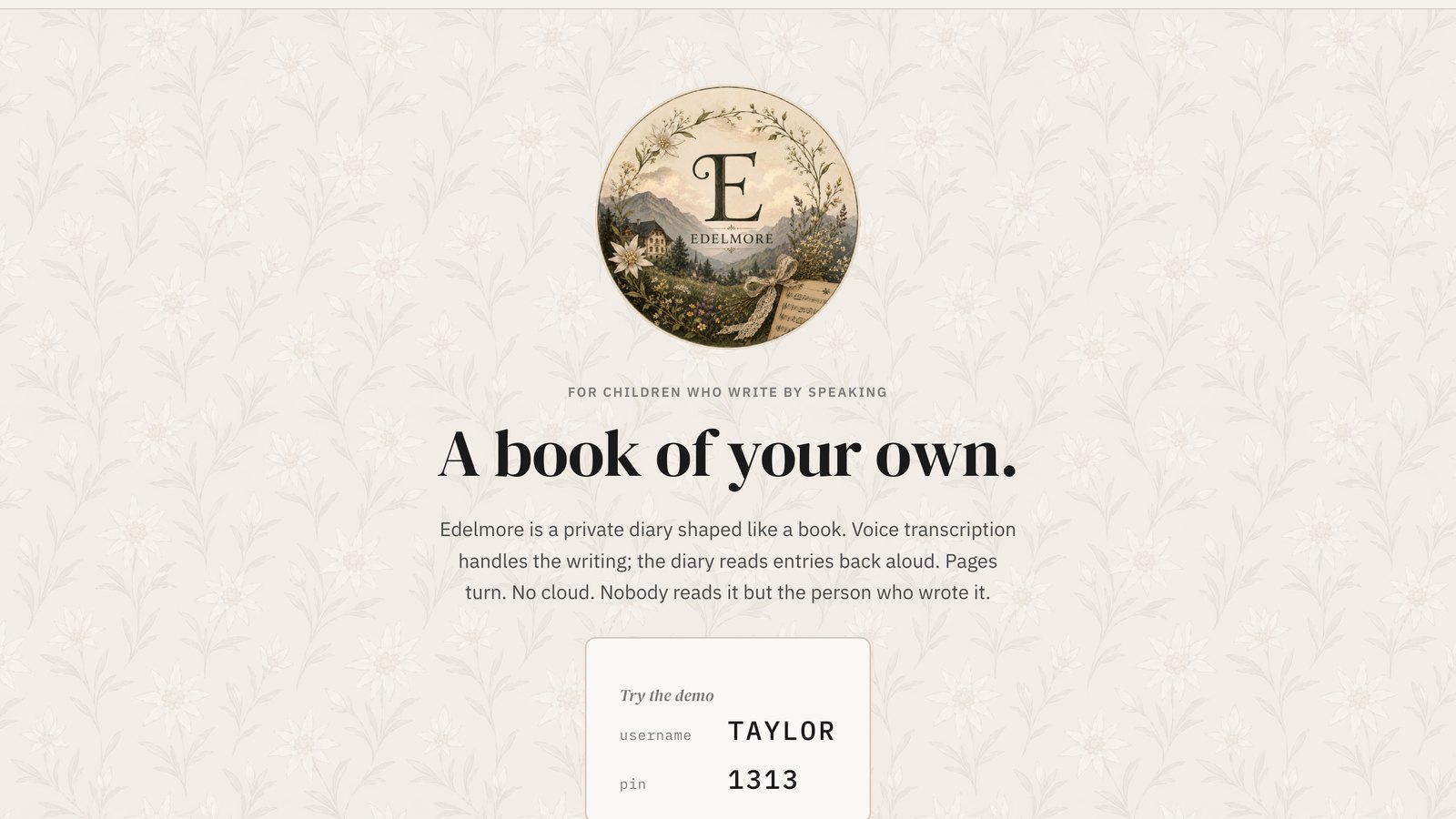
  5. 05The app — the little tool you wish existed, the one you've described at four dinner parties.
  6. 06The art project, the archive, the family history, the thing that isn't a business at all and doesn't have to be.

All of it is buildable. None of it requires you to become a programmer. All of it requires your judgment.

The code is the easy part.
Judgment is the whole job.

How it works

Not magic, not vibes — a method. The first idea is the comfortable one, and comfortable is the enemy of good; the process exists to get you past it. Research before commitment. Prototype before polish. Critique as a gift, not a verdict. Revision as the actual work. Four phases, twenty-five years, fourteen-year-olds to CEOs — and the machines made this more valuable, not less: when anything can be built in a weekend, the only scarce thing is knowing what's worth building and whether what came back is any good.

Who I am

I'm an architect — MIT, a Fulbright. I ran the academics at NuVu, a studio school in Cambridge, for eight years, and designed about two hundred and fifty studios. I built a computer-vision system that runs twenty-four hours a day at Harvard, and I can't really code — that sentence is the whole pitch, and there's an essay about it if you want the long version. I've shown at MASS MoCA, published photography internationally, worked as a carpenter, shipped software people pay for. I've spent my whole life making real things across half a dozen fields, and the last twenty-five years teaching other people to do the same.

Proof

Ways in

Ways in · 01 · Lowest risk Free

Come to a workshop.

I run free evening sessions — ninety minutes, live, where I take two or three real ideas from the room through the first stage of the process. Come watch. Bring the idea or just the curiosity.

SEE THE NEXT DATE
Ways in · 02 $500

Book a Blueprint Session.

Two hours, one-on-one, your idea. We frame it for real — what it is, who it's for, what to build first. $500, and it counts toward the arc if you continue.

Ways in · 03 $5,500 · founding $4,500

The arc.

Ten weeks, weekly, one-on-one. We build the thing. $5,500 — founding rate $4,500 for the first three clients, in exchange for a testimonial and permission to document the work.

Issued for construction

Tell me what you can't stop thinking about.

Book a call Tell me what you can't stop thinking about